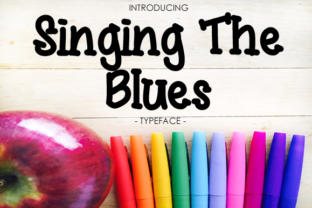
Singing the Blues Handwritten Font for Craft Projects
When you are designing physical products, whether it is a batch of handmade candles, custom tote bags, or digital printables for your Etsy shop, the typography you choose speaks volumes before a customer even reads the text. It sets the tone, conveys personality, and ultimately influences purchasing decisions. For creators who specialize in warm, approachable, and charming designs, finding a typeface that balances boldness with readability is essential. This is where Singing the Blues becomes an invaluable asset in your design toolkit.
Singing the Blues is a thick and bold handwritten font that brings immediate visual weight and character to any project. Unlike delicate scripts that can become illegible when scaled down or printed on textured materials, this typeface maintains its clarity while exuding a playful, energetic vibe. It falls squarely into the category of display fonts, meaning it is designed to grab attention at larger sizes rather than fill pages of body text. For small business owners and crafters, understanding how to leverage such a creative font correctly can elevate simple items into premium-looking goods.
The Visual Personality of Singing the Blues
At first glance, Singing the Blues feels like a burst of creativity captured in ink. The strokes are substantial, giving the letters a sturdy presence that works exceptionally well for projects requiring a sense of fun without sacrificing professionalism. As a handwritten font, it avoids the rigid uniformity of mechanical typefaces, introducing slight variations in stroke width and angle that mimic natural human movement. This imperfection is what gives it charm, making it feel personal and artisanal—qualities that resonate deeply with customers who value handmade aesthetics.
The font’s thickness ensures it stands out against busy backgrounds, which is crucial for product labels, stickers, and signage. Whether you are creating a label for a jar of homemade jam or a header for a wedding invitation, Singing the Blues provides enough contrast to remain legible from a distance. Its bold nature also makes it an excellent choice for branding elements where you want instant recognition. When used consistently across your product line, this typeface helps build a cohesive brand identity that feels both modern and nostalgic.
Practical Applications for Handmade Products
One of the most versatile aspects of Singing the Blues is its adaptability across various media. Because it is classified as a script amp style font, it bridges the gap between casual handwriting and structured typography. Here are several practical ways crafters and sellers can integrate this font into their workflows:
- Product Labels and Stickers: For businesses selling bath bombs, soaps, or candles, Singing the Blues is perfect for main titles on packaging. Its bold lines ensure that the product name pops, even on small circular stickers or kraft paper tags. Pair the font with a clean sans serif font for ingredient lists or usage instructions to create a balanced hierarchy.
- Invitations and Stationery: If you design printable wedding invitations, baby shower cards, or birthday party suites, this font adds a touch of whimsy. Use it for the recipient's name or the event title. For example, "Happy Birthday" or "You're Invited" looks significantly more engaging in Singing the Blues than in standard block letters.
- Cut Files for Cricut and Silhouette: Makers who use vinyl cutters for mugs, shirts, and wood signs will appreciate how cleanly this font cuts. The thick strokes reduce the risk of thin lines breaking during the weeding process. It is ideal for farmhouse-style decor, nursery art, or motivational quotes where the text needs to be the focal point.
- Digital Printables and Planners: For those selling digital downloads, Singing Blues serves as a powerful header font for planner covers, checklist templates, and journal prompts. It draws the eye immediately, guiding the user through the layout. Since it is a display font, it should be reserved for headers, titles, and decorative accents rather than long paragraphs.
- Seasonal and Holiday Designs: The playful energy of the font makes it suitable for holiday-themed merchandise. Think of Christmas ornaments, Easter egg tags, or Halloween treat bags. The handwritten style feels festive and inviting, encouraging customers to buy gifts for loved ones.
Readability and Design Best Practices
While Singing the Blues is robust, there are technical considerations to keep in mind to ensure your final product looks professional. First, always test your designs at the actual size they will be produced. A font that looks great on a computer screen might lose detail when printed on a tiny sticker or engraved on a small wooden sign. Always export high-resolution PDFs or SVG files to maintain crisp edges.
Another critical aspect is font pairing. Because Singing the Blues is a bold, expressive handwritten font, it pairs best with simpler, cleaner typefaces. A neutral sans serif font works wonderfully for secondary information, such as prices, descriptions, or dates. This combination prevents visual clutter and allows the Singing the Blues text to shine as the star. Avoid pairing it with other heavy or ornate fonts, as this can create a chaotic appearance that confuses the viewer.
When using this font for commercial purposes, consider the spacing (kerning) carefully. Handwritten fonts often have irregular spacing between letters. Take the time to adjust the letter spacing manually in your design software to ensure words look balanced. Poor kerning can make even the best font look amateurish. Additionally, check if the font file includes alternates, ligatures, or swashes. These extra characters can add unique flourishes to specific letters, allowing you to customize your designs further and make each piece feel one-of-a-kind.
Licensing and Commercial Use
For any creator selling physical or digital products, understanding licensing is non-negotiable. Singing the Blues is available under specific terms that dictate how it can be used. Typically, a standard license allows for the creation of physical end-products for sale, such as t-shirts, mugs, and printed cards. However, reselling the font file itself or using it in unlimited digital templates may require an extended or commercial license.
Always review the license agreement provided by Script Amp or the original distributor. Clear documentation protects your business from legal issues and ensures ethical use of design assets. Many creators find that investing in proper licenses is worth the peace of mind, especially when building a reputable brand. By respecting these guidelines, you contribute to a sustainable ecosystem where designers are compensated for their work, allowing them to continue creating beautiful tools like Singing the Blues for the crafting community.
Elevating Your Brand with Thoughtful Typography
In the crowded marketplace of handmade goods, small details make a big difference. Typography is one of those details that communicates quality and care. Singing the Blues offers a blend of boldness and charm that appeals to a wide audience, from children’s parties to elegant weddings. By integrating this font strategically into your labels, invitations, and digital products, you enhance the perceived value of your offerings.
Remember that good design is not just about making things look pretty; it is about effective communication. Singing the Blues helps your message stand out, whether you are announcing a sale, labeling a product, or welcoming guests. Experiment with different layouts, colors, and pairings to discover how this font fits your unique aesthetic. With careful application and respect for licensing, Singing the Blues can become a signature element of your creative portfolio, helping you connect with customers on a deeper, more emotional level.